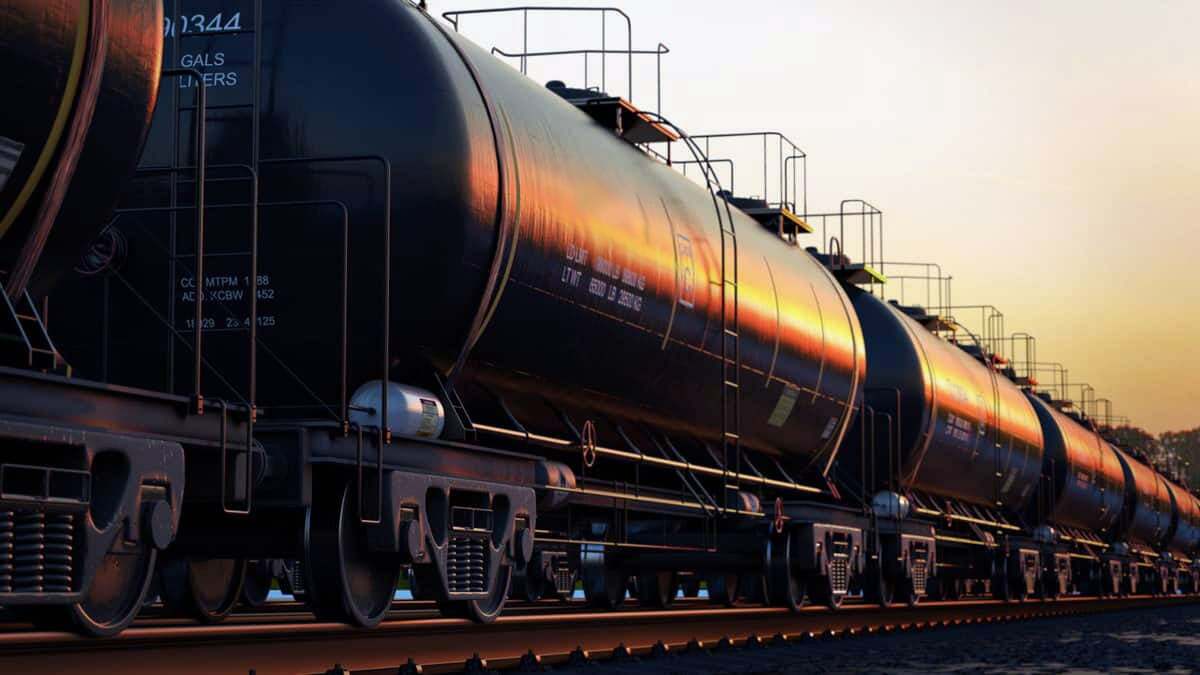
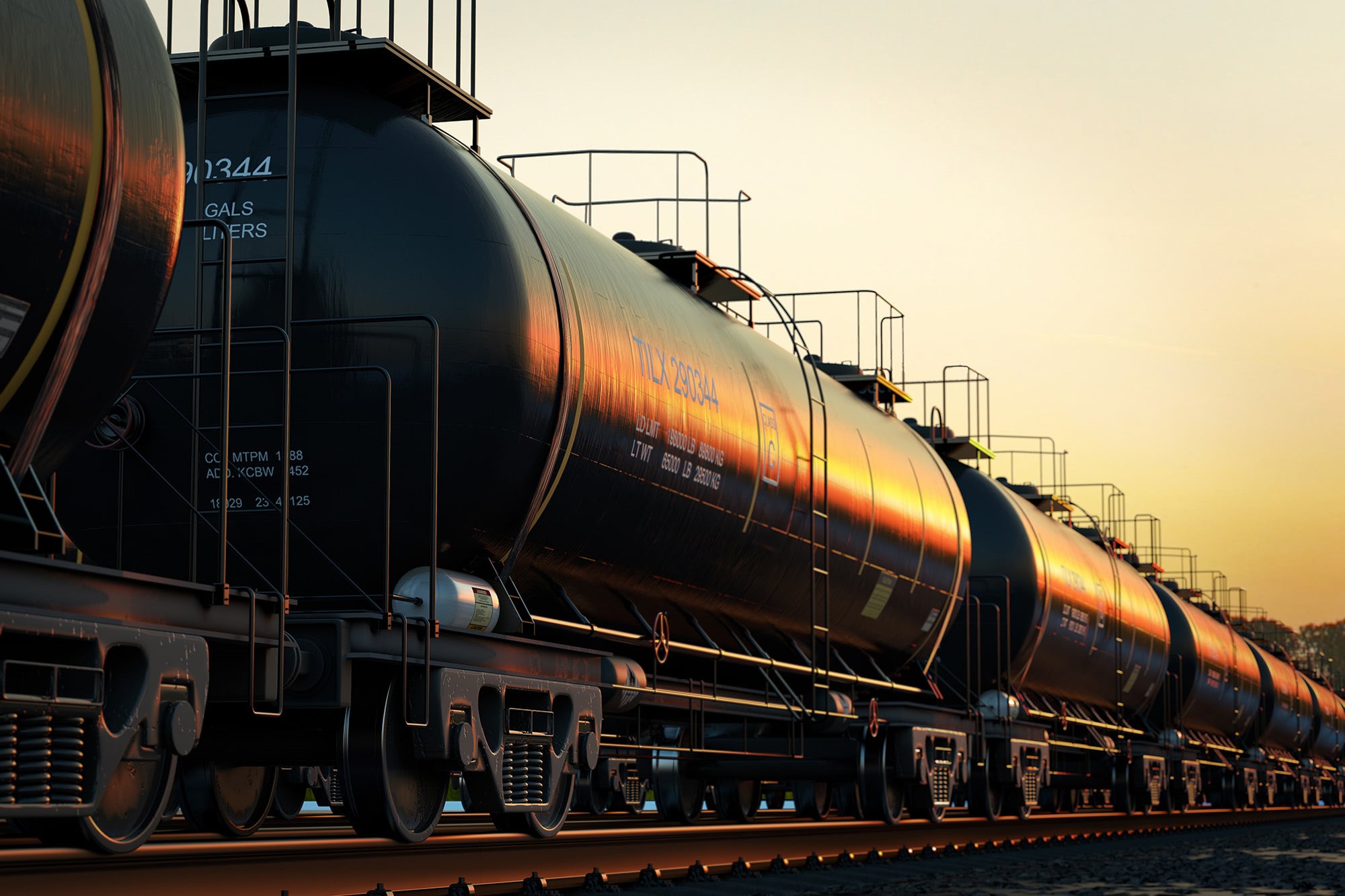
Rail tank cars are essential in transporting commodities such as chemicals, food, and the fuel used to power our vehicles. They help us maintain a modern way of life by transporting these commodities. In addition, they allow for the safe transportation of hazardous materials, like ethanol and flammable liquids.
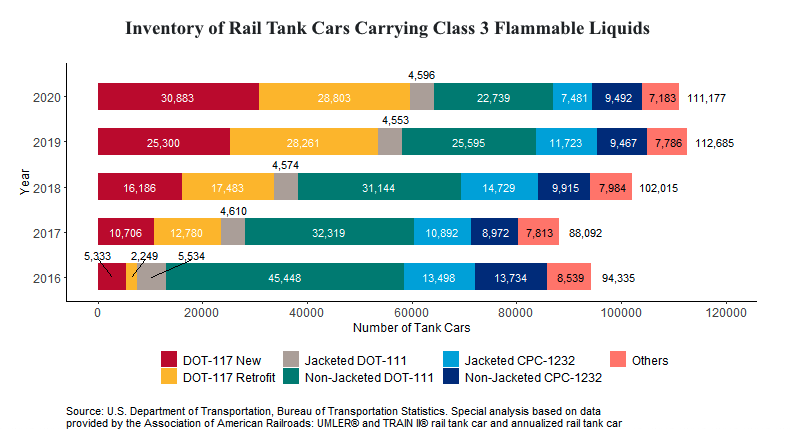
"More than half (54%) of rail tank cars carrying Class 3 flammable liquids in 2020 met new safety requirements, an increase from the 48% in 2019. The 2015 Fixing America’s Surface Transportation (FAST) Act requires that, by 2029, all Class 3 flammable liquids are carried in DOT 117 or DOT-117R rail tank cars, which meet new safety standards. The new report measures progress toward this transition."
U.S Department of Transportation (Federal Railroad Administration) reports:
"As tank cars are the predominant vehicles for carrying hazardous material shipments, FRA has prepared Tank car guidance materials on maintaining, operating, and securing this rail equipment:"
- Ensuring Tank Car Safety
- Tank Car Committee Handouts
- Suggestions for Effective Railroad Tank Car Loading/Unloading Training Programs
The rail tank car hauled liquids since oil was first discovered in the 1860s. Their characteristics, with their different commodities being transported, make them unique.
We understand the need for impermeable barriers in tank cars in the transportation industry.
As experts with polymer lining technology, we know your coating application needs to be sustainable, durable, and efficient. Our mission is to provide you with innovative, value-added coatings to protect your assets and safely store and transport your aggressive chemicals.
At APC, we strive to be world-class coating experts for the rail tank car market. With that role comes the responsibility of being intimately familiar with basically everything to do with railroad tank cars. So, we created a new guide to enhance your rail operations. In this new guide, you'll learn who the key players are in the manufacturing of rail tank cars, the lining versatility that accompanies them, safeguarding your tank cars, how one company eliminated "hydrogen grooving," and the future of the market.